
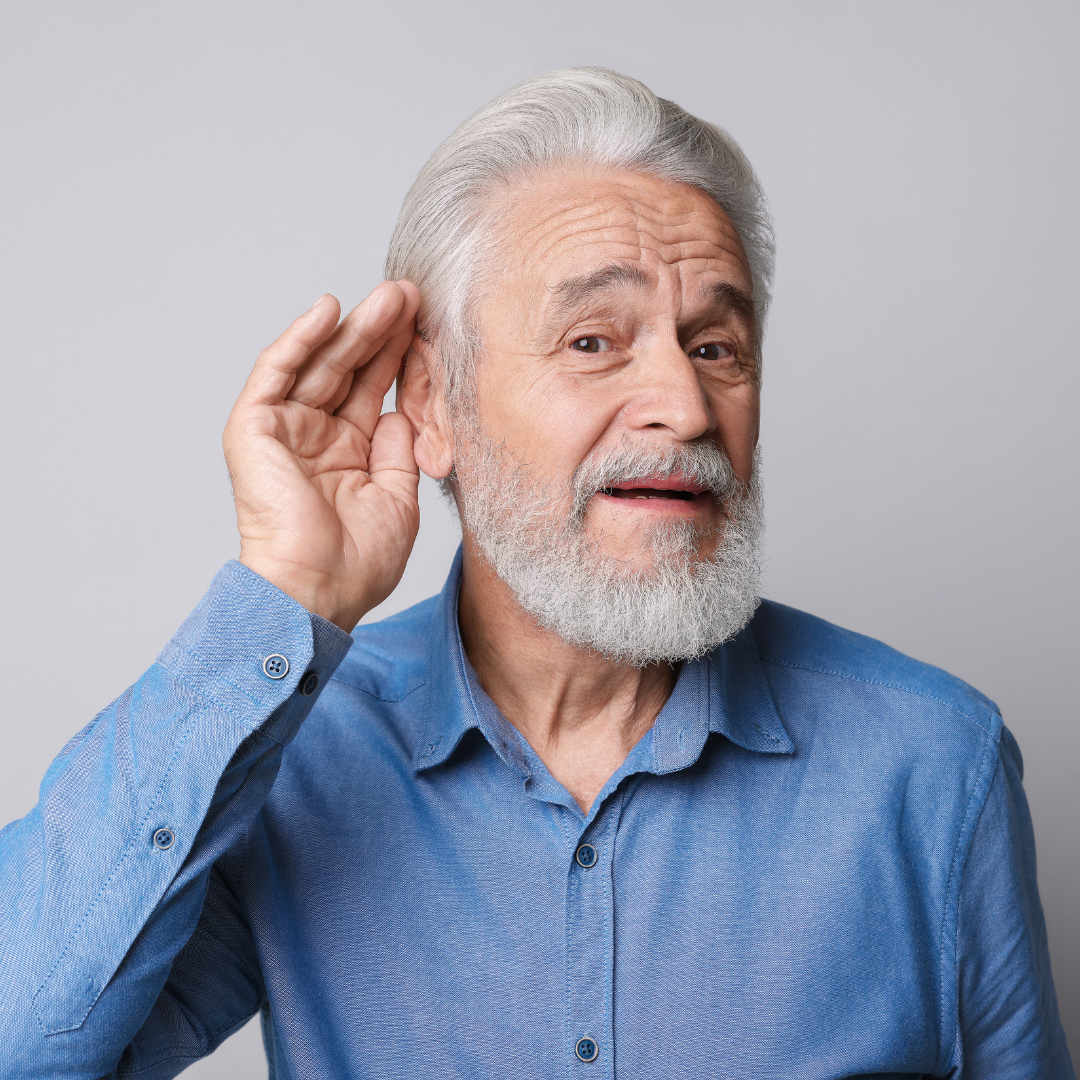
A rapid drop in hearing in one ear can cause immediate fear and leave patients confused regarding the appropriate next steps. We deliver urgent diagnostic hearing tests and partner with otolaryngologists to ensure comprehensive medical intervention when hearing drops rapidly. An acute sudden hearing loss consistently necessitates immediate examination by a hearing professional to begin medical therapy or targeted hearing rehabilitation.
Is Sudden Deafness in One Ear Considered a Medical Emergency?
Yes, without question. Sudden hearing loss in one ear should be treated as a medical emergency, particularly when it develops within hours or over a few days. Sudden sensorineural hearing loss, sometimes called sudden deafness, involves the inner ear or the nerve pathways that carry sound to the brain. It standardly presents without physical discomfort, often being erroneously dismissed as simple earwax impaction or sinus congestion.
Typical warning signs include:
- An acute reduction in speech clarity or acoustic loudness on one side
- Difficulty processing telephone audio when switching the device to the affected ear
- A noticeable pop or sudden sensation of aural pressure just before hearing drops
- Acute tinnitus presenting as ringing, roaring, or buzzing localized to the compromised ear
- Co-occurring vestibular symptoms such as room-spinning vertigo, lightheadedness, or unsteadiness
Avoid waiting passively to see whether normal hearing thresholds return independently. Contact our audiology practice, an emergency department, or an ear, nose, and throat physician for immediate same-day direction.
The Critical Importance of Immediate Medical Care for Sudden Hearing Loss
Early clinical intervention is crucial because treatment protocols for sudden sensorineural hearing loss are far more successful when commenced right away. The primary diagnostic objective is establishing whether the impairment is conductive, involving external or middle-ear mechanical blockages like wax or fluid, or sensorineural, implicating inner ear structures. These two forms of hearing loss mimic each other subjectively, yet they necessitate completely different medical treatments.
High-magnification otoscopy paired with a pure-tone diagnostic hearing test defines the precise category, pattern, and magnitude of your auditory deficit.
Contact emergency medical services immediately if sudden auditory decline presents alongside:
- Acute facial asymmetry, motor weakness, or cranial nerve numbness
- Neurological speech deficits, sudden disorientation, or an excruciating new headache
- Diplopia (double vision), syncope (fainting), or severe gait ataxia
- Chest pain or other signs of a medical crisis
These symptoms may indicate a neurological or vascular emergency and should not be evaluated through a routine appointment.
Potential Etiologies of Sudden Sensorineural Hearing Loss
For the vast majority of patients with sudden sensorineural hearing loss, the exact etiology remains idiopathic. In instances where a cause is verified, it often centers on vascular disruption, inner-ear inflammation, mechanical trauma, autoimmune destruction, or auditory nerve pathology.
Potential causes include:
- Acute viral labyrinthitis or bacterial infections
- Head trauma or exposure to an intense sound
- Autoimmune inner ear disease or systemic inflammatory disorders
- Ingestion of ototoxic pharmaceuticals known to compromise inner ear structures
- Microvascular insufficiency, cochlear ischemia, or impaired vascular flow
- Idiopathic inner ear conditions including fluctuating Ménière’s disease
- Central neurological pathologies including multiple sclerosis
- A benign retrocochlear growth, such as an acoustic neuroma on the auditory nerve
Since presenting signs do not confirm the specific etiology on their own, obtaining a prompt examination and diagnostic audiologic testing is essential.
Medical Management and Interventions for Sudden Sensorineural Hearing Loss
High-dose corticosteroids serve as the primary first-line medical therapy when sudden sensorineural hearing loss presents without an identifiable cause. They may be taken by mouth or delivered through the eardrum into the middle ear, where the medication can reach the inner ear. Clinical treatment pathways are determined by our specialists based upon presentation timing, loss magnitude, underlying health status, active prescriptions, and risk factors.
Steroid treatment may be offered within the first two weeks, and starting as early as medically appropriate is important. Targeted intratympanic steroid injections are often indicated as salvage therapy when oral regimens fail to provide full auditory restoration. For qualifying clinical cases, an ENT physician may evaluate hyperbaric oxygen therapy (HBOT) administered concurrently with high-dose steroids.
Can Sudden Hearing Loss in One Ear Go Away on Its Own?
Patients with sudden sensorineural hearing loss can sometimes experience spontaneous recovery without clinical intervention. Epidemiological data suggests that approximately 50 percent of diagnosed patients recover partial or complete auditory sensitivity spontaneously, typically within the first fourteen days. Even so, clinicians cannot reliably forecast at the start who will recover, the extent of hearing restoration, or whether recovery will be permanent.
Relying on the chance of spontaneous improvement is never a valid justification for delaying immediate medical care. Initiating treatment several weeks following symptom onset drastically reduces the probability of reversing permanent damage, effectively shutting a vital clinical window. Hearing recovery spans a spectrum ranging from complete resolution to partial restoration or minimal gains.
Rehabilitation Options for Treatment-Resistant Sudden Hearing Loss
Should hearing recovery remain incomplete, ongoing care is dictated by remaining hearing capacity, speech understanding scores, and definitive exclusion of secondary causes. We may recommend magnetic resonance imaging (MRI) or an auditory brainstem response test to examine the hearing nerve and nearby structures.
Longer-term options may include:
- A conventional hearing aid if diagnostic testing confirms sufficient, aidable residual hearing
- A wireless CROS system that captures incoming sound on the impaired side and transfers it to the better-hearing ear
- A surgical or non-surgical bone-conduction device for medically appropriate clinical candidates
- A cochlear implant for qualifying cases of single-sided deafness
- Tailored assistive listening systems to improve communication across work, academic, or social settings
Structured audiologic rehabilitation directly targets listening fatigue, binaural sound localization deficits, and functional communication breakdowns. Choosing the best rehabilitative device hinges upon clinical hearing test scores, communication environments, medical background, and individual preferences.
Book an Immediate Diagnostic Hearing Evaluation
When hearing changes abruptly today or within the preceding few days, obtain same-day medical advice rather than scheduling a routine visit. We can perform diagnostic hearing testing, compare both ears, review when the change began, and coordinate with an ear, nose, and throat physician or another medical provider when necessary.
Contact our audiology practice today to schedule an urgent hearing appointment.
