
Sound dampening can be disorienting, often making you feel separated from the world around you. While the fear of lasting hearing damage is a common first response, the true culprit is frequently a simple collection of earwax.
Differentiating between a cerumen blockage and actual hearing loss is crucial for identifying if you need a simple cleaning or a formal diagnostic exam. Avoid the urge to worry if your hearing feels suddenly reduced. A clinical assessment will provide the definitive answer, but the following guide details the primary variations between wax-related issues and lasting loss.
Recognizing the Markers of Canal Obstruction
Your ears generate wax as a natural defense process to maintain health and keep debris away from the eardrum. Issues occur when excessive wax accumulates or becomes clogged.
Signs of a clog often include:
- A noticeable decrease in hearing volume
- A feeling of ear pressure or a “clogged” feeling
- Overall ear irritation or mild aching
- Constant humming or hissing sounds
- Sound clarity that shifts or improves momentarily with chewing
A hallmark of blockage-based sound changes is imbalance, usually impacting one side more than the other. Thankfully, clearing the blockage generally resolves the signs immediately.
Recognizing Permanent Impairment Symptoms
Permanent hearing changes, often caused by aging or noise exposure, are progressive and persist even if the ear is perfectly clean.
Standard indicators of clinical hearing impairment consist of:
- Challenges with word clarity in crowded or loud settings
- Regularly needing clarification during everyday conversation
- Adjusting media levels to a point that people find uncomfortable
- Diminished responsiveness to high-frequency sound signals
- Hearing equally reduced on both sides
Contrasted with earwax buildup, auditory impairment doesn’t usually cause a sensation of blockage or pressure.
At-a-Glance: Earwax vs. Auditory Decline
By analyzing the onset and particular symptoms, you can frequently identify which condition is impacting you:
- Progression: Blockages can feel instant, while auditory decline is virtually always slow
- Duration: Cerumen issues are fixable and short-term, whereas impairment is typically chronic
- Symptoms: Pressure and irritation indicate wax; word intelligibility issues indicate loss
- Asymmetry: Wax often impacts one ear; auditory impairment commonly impacts each
Why Professional Consultation is Necessary
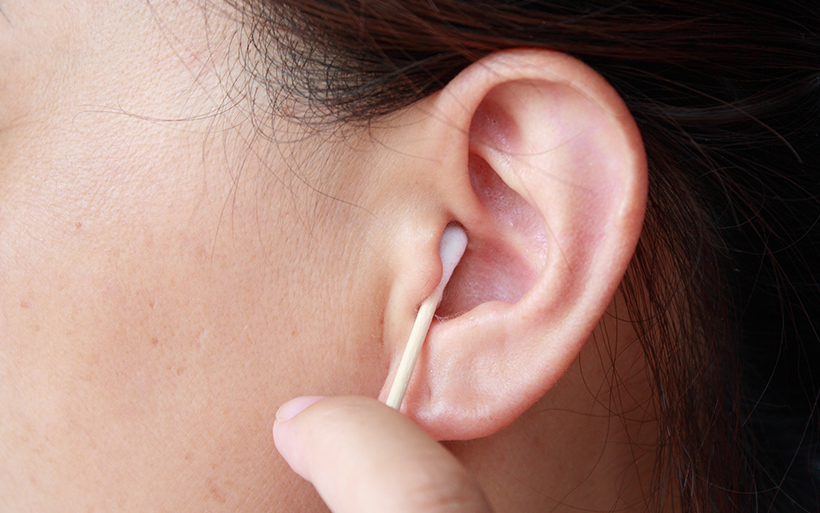
It’s tempting to presume cerumen is the cause — and grab for cotton swabs or over-the-counter treatments. In truth, physical poking often compresses the wax further against the eardrum, making the impaction more severe.
Clinical research shows that self-cleaning often results in accidental injury or increasingly complex blockages.
Similarly, neglecting early hearing loss can delay care that helps in maintaining interaction, security, and quality of life.
What to Anticipate Throughout a Professional Appointment
A specialist can use an earlight to immediately see if a mechanical obstruction is visible.
If wax is found, safe removal often clears signs immediately.
If no wax is detected, a diagnostic hearing test will be used to map the type and degree of any hidden impairment.
Health experts advise seeking a clinical evaluation as promptly as you observe hearing changes that affect your lifestyle.
Closing Thoughts on Earwax and Hearing Wellness
Feeling as if auditory signals are dull may not necessarily indicate a lasting loss.
In numerous instances, earwax buildup is the source, and it’s highly manageable.
A clinical assessment will provide you with the clarity you require to advance without concern.
Keep in mind: The only reliable way to tell the distinction between earwax buildup and auditory impairment is with a professional exam.
Finding clarity promptly can prevent pointless worry and guarantee you obtain the appropriate treatment at the optimal moment.
If you’ve observed a change in your auditory ability, call our clinic for a formal assessment today.
