
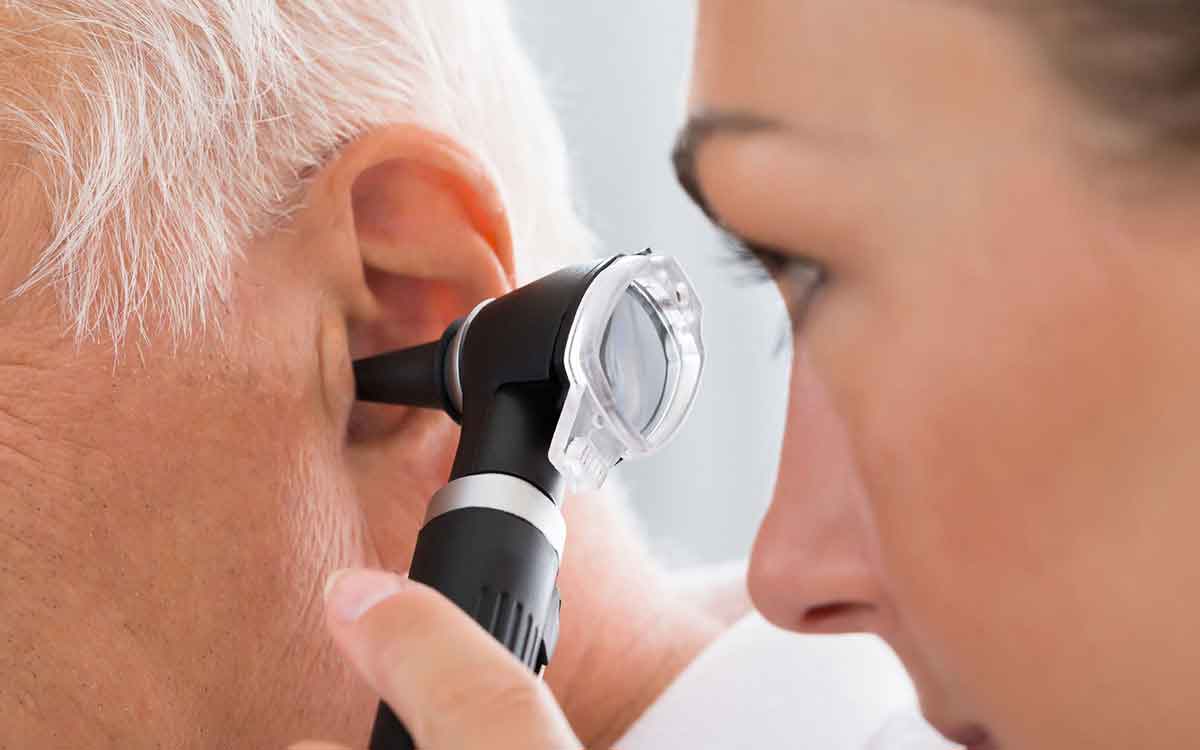
The gradual nature of hearing loss often causes preliminary symptoms to be overlooked. Numerous individuals compensate subconsciously by raising the decibels on the television, asking for clarification, or withdrawing from high-noise settings.
But identifying the early signs of hearing loss is clinically vital.
Common Symptoms of Early Hearing Loss
If you identify any of these early warnings, we suggest scheduling an audiological evaluation to determine your status.
- Reduced clarity during dialogue within high-noise areas.
- Frequently asking people to clarify their statements.
- Muffled or unclear speech, where words sound blended together.
- Turning up the volume on the television and mobile devices higher than others prefer.
- Reduced sensitivity to high-frequency acoustic signals such as bird songs or household alerts.
- The occurrence of tinnitus, manifesting as ringing or buzzing in the ears.
- Cerebral exhaustion following dialogue caused by persistent listening effort.
- Withdrawing from social situations as dialogue has become stressful.
Early symptoms could be present in one or both ears and can fluctuate at first. Because the brain adapts quickly, many people don’t realize how much they’re compensating until hearing loss advances further.
Understanding Hearing Impairment Through Data
The World Health Organization estimates that the need for hearing support will impact 700 million people by 2050. Other noteworthy statistics involve:
- By 2050, nearly 2.5 billion people are expected to experience some degree of hearing loss.
- More than five percent of the global community (roughly 430 million people) requires rehabilitation to manage significant hearing loss.
- In excess of 1 billion young adults face the threat of irreversible hearing loss due to hazardous acoustic habits.
- Among those aged 60 and older, more than one-quarter suffer from disabling hearing loss.
Why Early Detection is Key
Overlooking auditory shifts can have systemic health consequences that are frequently overlooked.
Data confirms a connection between untreated hearing loss and an increased likelihood of dementia and mobility issues.
Recognizing changes early on ensures optimal results and varied management strategies.
A clinical screening clarifies if hearing shifts are caused by noise damage, earwax impaction, or other systemic issues.
Under certain conditions, auditory shifts are temporary and treatable.
In permanent cases, the timely use of ear defense or hearing technology assists in managing the condition.
Guidelines for Consulting an Audiologist
Professional consultation is recommended if you experience:
- Early signs persist for more than a brief period.
- Hearing difficulties disrupt work, relationships, or daily activities.
- Instances of acute hearing loss, dizziness, or chronic tinnitus warrant prompt clinical attention.
Audiological evaluations are noninvasive procedures, yielding deep insights regarding your physiological hearing status.
We encourage you to contact our facility if you feel a hearing assessment is necessary.
Frequently Asked Questions: Recognizing Auditory Decline
Q: Are all auditory changes linked to getting older?
Answer: No. While common in seniors, hearing impairment can be caused by medications, loud noise, infections, or hereditary conditions.
Q: Can hearing loss be reversed?
Answer: Certain etiologies, such as earwax impaction or localized infection, are treatable. While other forms are irreversible, they can usually be managed with professional treatment or hearing technology.
Q: How often should hearing be checked?
Answer: It is recommended that adults obtain a baseline assessment by age 50, with earlier testing for those with specific risk factors.
