
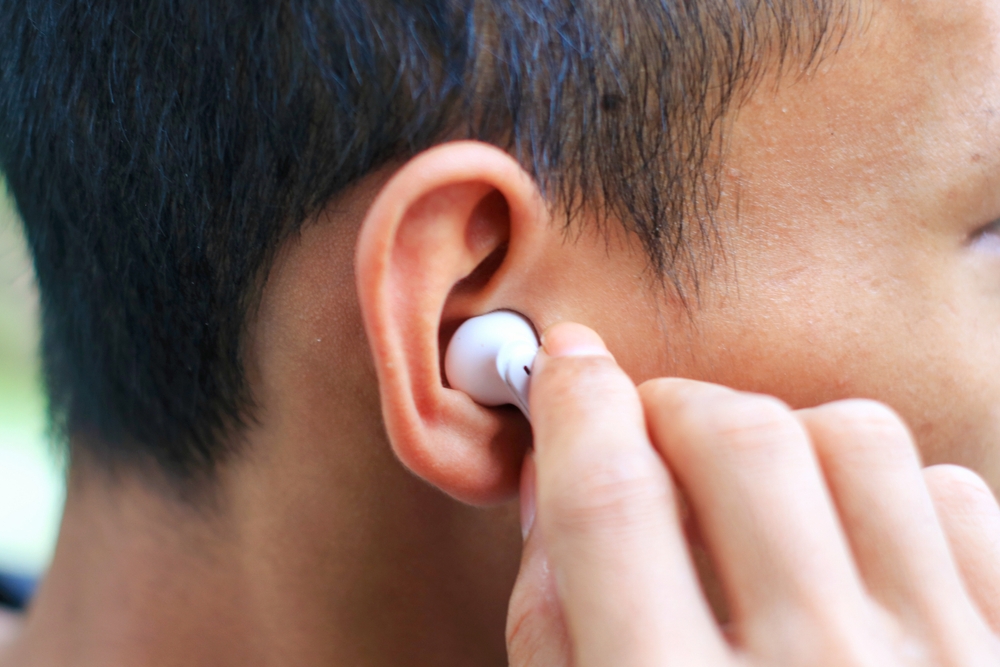
We seldom encounter a teenager or young adult who isn’t currently using a personal audio device. Headphones are a bit more cumbersome, but teens still find them a way to escape from their surroundings. We all enjoy listening to music, no matter our age, but younger people rely on music to pass the time. Does the immediate physical closeness of these transducers to our ears result in measurable hearing loss? It’s not the device itself, but how we use it.
The Risks of Prolonged High-Decibel Exposure
Acoustic stimuli can act as a sedative, an emotional balm, or a powerful stimulant depending on the tempo. The outcome is entirely dependent on the genre and frequency of the audio. Employing in-ear monitors is an effective method for maintaining acoustic privacy in public environments. Most individuals view this as a positive etiquette, especially within the confined spaces of a bus or train.
The real questions are: how loud is too loud, and how long is too long? In reality, excessive sound pressure is universally hazardous to the delicate structures of the cochlea. Combining high-intensity sound with extended exposure times can lead to permanent sensorineural damage. Hearing loss occurs gradually, so by the time you realize what’s happening, it may be too late.
Identifying the Critical Risks of Personal Audio
Sound pressure level is the primary variable in the development of **NIHL**. Yet, we must remember that the length of time spent listening is equally important as the decibel level.
- According to the NIH, maintaining a threshold below 70 dB ensures safety, even during extended listening periods.
- There is a direct correlation between increased sound pressure and the speed of hearing degradation.
- To protect your ears, utilize the 60/60 guideline: never exceed 60% power and rest after 60 minutes of use.
- Protect your hearing by turning down the volume on your device and limiting your exposure.
Warning Signs of Hearing Loss
Common indicators such as “ringing” in the ears and a recurring inability to understand speech in loud rooms warrant an immediate specialist consultation.
Schedule an appointment with our specialists if you believe your auditory health has been compromised.
