Hearing loss is more common than most of us might realize, but misinformation continues to prevent many people from seeking proper care. And with hearing loss, getting the right care at the right time is critical. Adhering to standard hearing myths often leads to diagnostic delays and a measurable decline in life quality.
If you have concerns about your hearing, knowing the truth (and the myths!) can help you make informed decisions about your health and proceed with greater confidence. The following analysis deconstructs seven common hearing fallacies using modern audiological data.
The Fallacy of Senior-Only Hearing Loss
Although aging affects the ears, hearing loss is not exclusive to the elderly population. Auditory challenges in children and young adults often stem from noise pollution, heredity, or pharmaceutical side effects.
Labeling hearing loss as a senior-only problem often causes younger patients to overlook critical early warning signs.
Myth Two: Auditory Awareness Equals Perfect Hearing
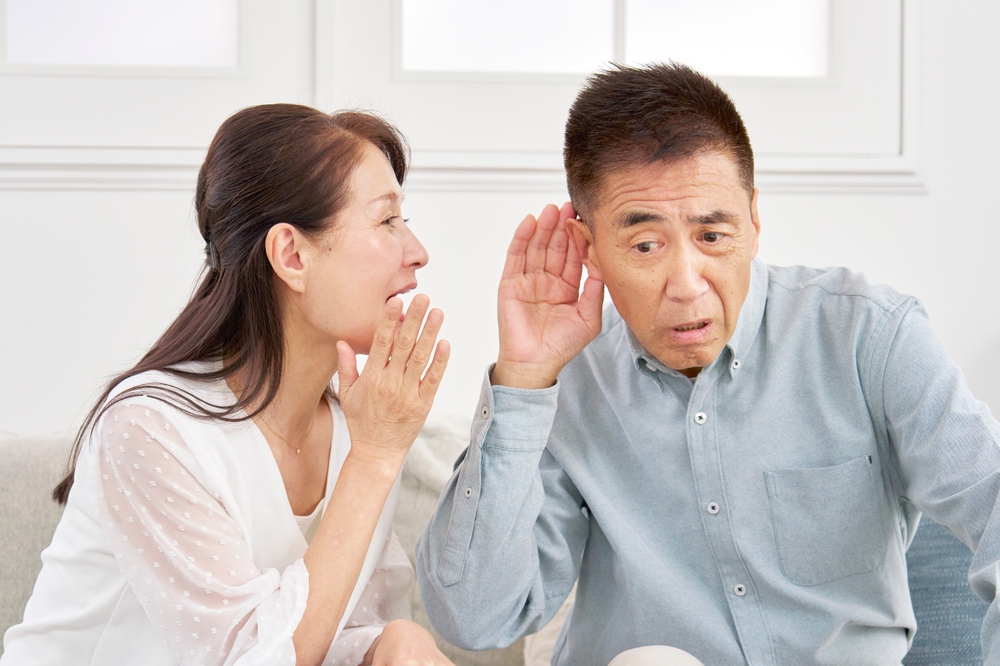
The presence of hearing loss does not always manifest as total profound deafness. Often, the issue is not a lack of sound but a lack of speech intelligibility in social settings. Audiology recognizes a diverse spectrum of impairment levels that fall short of total deafness.
Early symptoms frequently manifest as “cocktail party effect” struggles or a need for constant clarification from speakers. These markers represent initial auditory shifts that warrant a professional evaluation.
Hearing Impairment: More Than a Social Nuisance
Ignoring hearing loss creates systemic health risks that impact the entire neurological system. Research has linked unmanaged hearing loss to social withdrawal, increased stress, cognitive strain, and even a higher risk of depression.
Managing your hearing health is a critical step in preserving your holistic quality of life.
4. Myth: Hearing Aids Make Your Hearing Worse
There is no clinical evidence to suggest that proper use of hearing aids speeds up auditory decline.
Hearing aids do not damage your ears. These devices use precision digital processing to target frequencies identified in your hearing test. In many cases, using hearing aids can help the brain stay engaged in processing sound, supporting long-term auditory health.
5. Myth: Hearing Aids Are Large and Obvious
Recent innovations in hearing science have prioritized both power and miniaturization. Today’s devices are smaller and more powerful than ever. Patients can now choose custom-molded options that sit deep within the ear canal for total discretion.
Beyond their small profile, these devices feature AI-driven noise cancellation and seamless smartphone integration.
Myth: Small Hearing Changes Don’t Warrant Clinical Action
Even mild hearing loss can impact communication and daily life. Addressing loss early eliminates listening fatigue and protects against chronic mental exhaustion.
Patients who pursue early help experience a much smoother transition to using hearing technology.
7. Myth: Over-the-Counter Solutions Are Always Enough
Store-bought devices provide “blanket” amplification rather than the targeted help your ears likely need. Professional diagnostics ensure your hearing solution is “tuned” to your specific environment and biology.
Individualized care ensures your device feels natural while providing crystal-clear sound quality.
Moving Beyond the Myths to Auditory Health
While aural changes are intimidating, delaying care only leads to more complex communicative issues. But believing common myths about hearing loss can make symptoms more challenging over time. A professional assessment is an easy, stress-free way to gain total clarity on your ear health.
Taking the first step toward a hearing test is the best way to safeguard your long-term communication. Early intervention can improve not only communication, but also overall quality of life.
If you are ready for a professional assessment, our specialists are standing by to assist. Contact our office today to schedule your personalized hearing consultation.
