
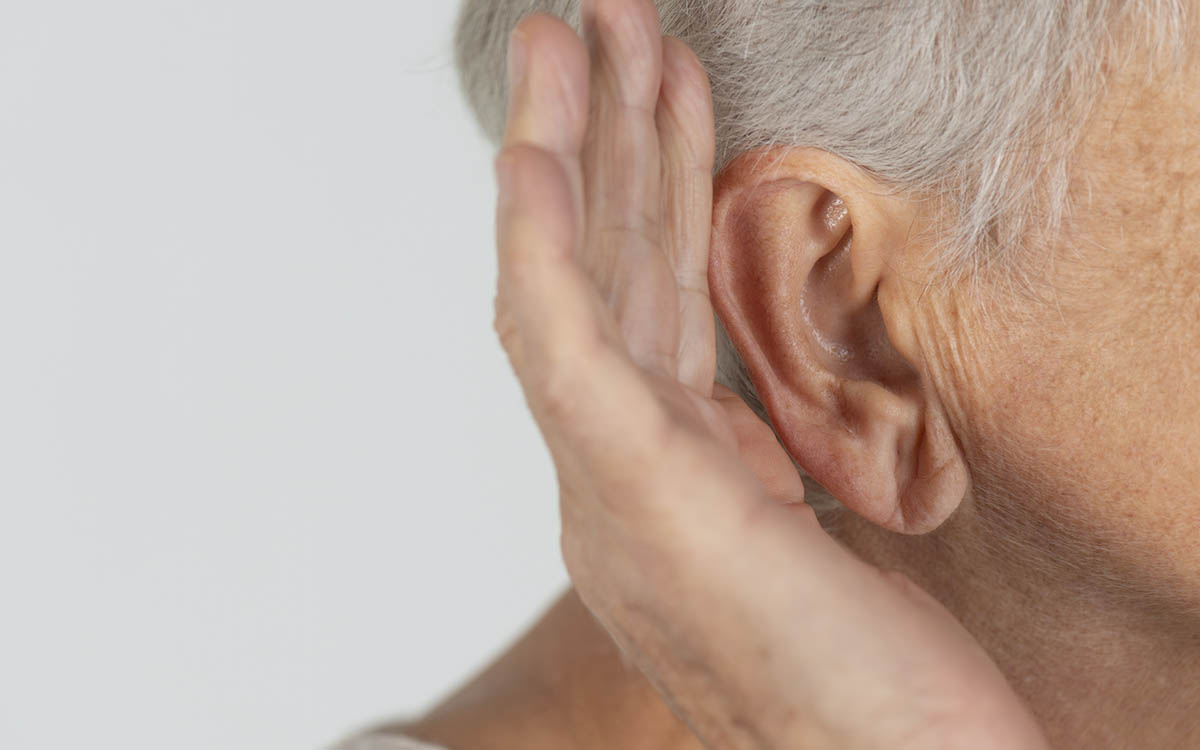
While many individuals correlate hearing loss to the aging process, though for a significant portion of the population, ear injury manifests significantly sooner. Noise-induced hearing loss represents a common, preventable auditory pathology, remaining undetected until the damage is irreversible.
Grasping the longitudinal impact of sound exposure on the auditory system is essential for implementing safeguards before substantial hearing loss manifests.
Pathophysiology of Sound-Induced Ear Damage
This form of hearing loss is precipitated by excessive acoustic energy damaging the fragile internal structures of the auditory system. Data from the CDC indicate that, sounds above 85 decibels (roughly the volume of heavy traffic) can begin to cause hearing damage with repeated or prolonged exposure. Intense noise sources, specifically firearms or industrial tools, can compromise hearing integrity within a very brief timeframe.
The inner ear contains microscopic sensory receptors known as hair cells. These cells convert sound vibrations into electrical signals that your brain interprets as sound. Once damaged, hair cells do not regenerate, making this form of hearing loss a lifelong auditory deficit.
How Auditory Trauma Progresses Through Chronic Exposure
It is clinically significant that noise-induced hearing loss often manifests through a slow, cumulative process. Initial clinical indicators of sound-induced trauma may involve:
- Temporary ringing or buzzing in the ears (Tinnitus)
- Post-exposure auditory dullness or perceived muffling of sound
- Impaired speech discrimination in the presence of background noise
The cessation of these early symptoms often leads to the false perception that the auditory system has fully healed. In fact, chronic noise exposure causes ongoing trauma to inner-ear anatomy, incrementally diminishing auditory acuity and threshold sensitivity.
Statistics from the HLAA suggest that 48 million Americans have some form of hearing loss, often without realizing the cause.
Frequent Acoustic Triggers of Hearing Loss
In our modern environment, individuals often develop a tolerance or desensitization to high-volume sounds. Due to this, the commonality of injurious sound exposure often goes unrecognized.
Potential sources include:
- Professional music performances and concert environments
- High-volume output from personal listening equipment
- Industrial tools, lawn maintenance equipment, and motorcycles
- Industrial workplace environments such as warehouses and construction sites
Due to the routine nature of these sounds, auditory injury may accrue in the absence of overt symptoms.
Why Proactive Safeguards Are So Important
In contrast to certain medical conditions, noise-induced hearing loss is characterized by its permanent nature. Despite its permanence, the condition is significantly preventable. The implementation of basic protective protocols can substantially mitigate risk, such as:
- The application of earplugs or attenuation earmuffs in loud areas
- Lowering headphone volume and following the “60/60 rule”
- Incorporating auditory rest periods to allow for physiological recovery
- Ensuring consistent Audiology check-ups for those in high-noise environments
Criteria for Expert Audiology Consultation
The presence of chronic Tinnitus, impaired speech recognition, or altered auditory clarity warrants a professional Audiology consultation. Prompt clinical evaluation is vital for tracking auditory status and formulating effective hearing preservation plans.
Protecting your ears today helps ensure clearer hearing tomorrow. Noise may be unavoidable, but hearing loss doesn’t have to be!. We invite you to schedule an appointment with our team to optimize your hearing function.
