
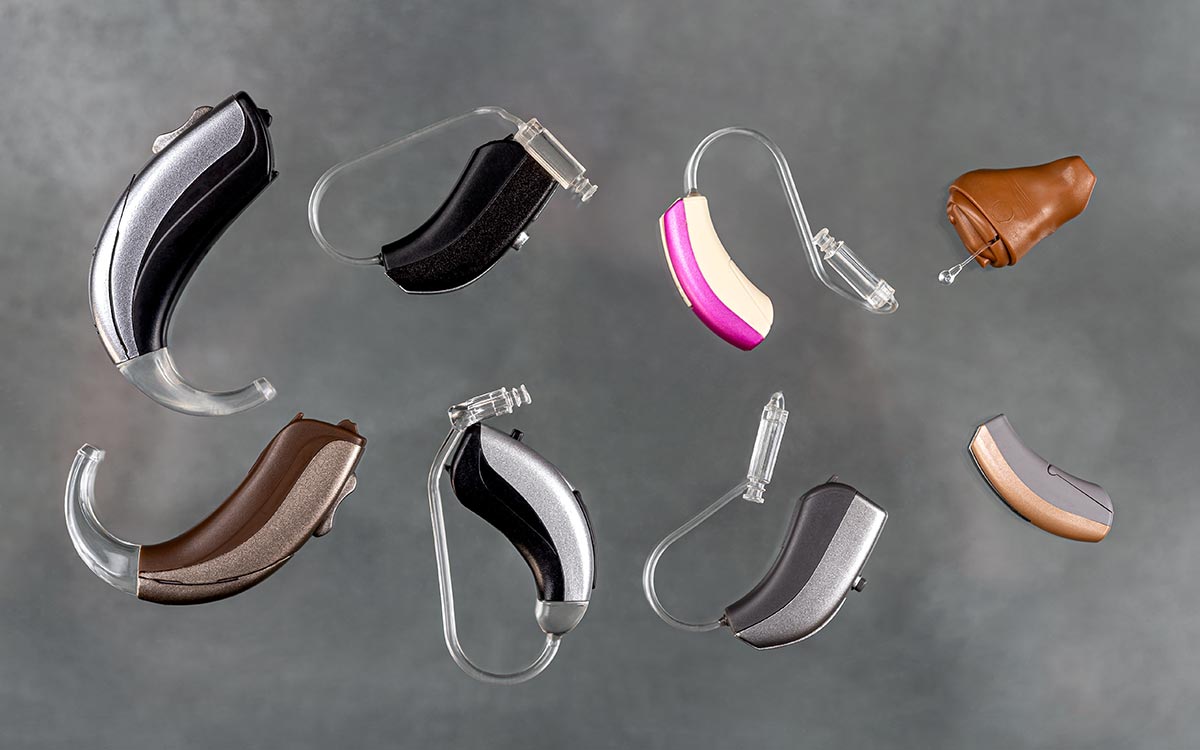
Choosing the right hearing aid can be an arduous task, given the vast array of styles, sizes, and technological features available in modern devices. Rest assured that there is an assistive device customized to every lifestyle and degree of impairment. It’s just an issue of finding it!
By learning about the differences among various hearing aid models, you can move forward with greater confidence and knowledge. In this analysis, we look at current styles and the unique characteristics that define them.
In-the-Canal (ITC) Hearing Aids
The Layout:
ITC hearing aids rest partly in the ear canal, with an inconspicuous portion visible at the outer ear.
Common Advantages:
- Less noticeable than standard full-size models
- Specifically contoured to the wearer’s ear for a better fit
- Appropriate for mild to moderate hearing loss
These devices are frequently suggested for novices due to their effective mix of subtle design and user-friendly functions.
Invisible-in-Canal (IIC) Hearing Aids
What they represent:
As the most discreet custom option, IIC aids represent the smallest available style. This style fits deep in the ear for an entirely covert appearance.
Primary Motivations:
- Optimal cosmetic discretion
- Provides authentic audio because of where the device sits
- Featherweight and comfortable
IIC devices are primarily targeted at patients with moderate hearing needs who want their technology to remain completely unnoticed.
In-the-Ear (ITE) Hearing Aids
What they represent:
These models occupy either the complete or bottom half of the outer ear bowl. The shell is specially molded to the specific contours of your individual ear.
Why users prefer this style:
- A slightly larger casing accommodates advanced tech and more powerful batteries
- The physical size is easier to grip and adjust for users with fine motor concerns
- Powerful enough to provide enough power for extreme hearing needs while remaining in-the-ear
Many patients prefer ITE devices because they provide a streamlined, self-contained design that doesn’t hook over the ear.
Traditional Behind-the-Ear (BTE) Models
Operation:
These devices sit on the external portion of the ear’s anatomy. Audio travels through a dedicated tubing or custom-fit mold into the ear opening.
Key Advantages:
- Offers an enduring and flexible solution for various environments
- Can be programmed to assist users with everything from mild to profound loss
- Provide space for advanced features and rechargeable batteries
The combination of user-friendliness and strong sound makes BTE aids a top contender for many patients.
The RIC Style Breakdown
Design Specs:
RIC hearing aids appear similar to BTE models, but the speaker (receiver) sits inside the ear canal rather than inside the device behind the ear.
Why they are favored:
- Very natural sound quality
- Compact, feather-light, and comfortable
- RIC technology is highly versatile for many different audiogram profiles.
RIC units are extremely popular currently because they balance appearance with powerful functionality.
Extended-Wear Hearing Aids
Usage Summary:
An audiologist inserts these specialized hearing aids deep into the canal, where they stay for multiple weeks.
Why people select them:
- No daily insertion or removal
- They are virtually hard for others to notice because of their depth
- Designed to be worn during everyday activities, including sleeping and exercising
Extended-wear devices are perfect for those who want an effortless approach.
Smart Hearing Aids with Wireless
Functionality:
Bluetooth-ready hearing aids enable an electronic bridge between your hearing technology and your smart devices.
Why go cordless:
- Send calls, music, and audio directly to the hearing aids
- Adjust settings through an app
- Provides the ultimate in ease for people who use smartphones regularly
Most contemporary RIC, BTE, and ITC hearing aids now provide a Bluetooth-enabled version.
Alternative Surgical Solutions
Procedure Info:
Middle-ear implants are specialized instruments that employ mechanical vibration to enhance hearing via the middle ear.
Medical Motivations:
- Serves as a critical substitute for those who find no success with traditional amplification
- Solves the issue of canal discomfort caused by regular hearing aids
These devices need a thorough medical review by an ear, nose, and throat expert.
Finding the Hearing Aid That Suits Your Life
Every hearing aid style provides its own advantages, and the right option depends on your level of hearing loss or tinnitus, comfort preferences, lifestyle, and cosmetic considerations. By visiting a specialist, you can explore various models and see which one feels most natural to you.
Take the initiative for your hearing health by booking an expert hearing evaluation today. This simple step is the basis for improved hearing and better connections with those around you.
Sources:
https://www.mayoclinic.org/diseases-conditions/hearing-loss/in-depth/hearing-aids/art-
20044116
https://www.hearinglife.com/hearing-aids/types
https://www.nidcd.nih.gov/health/hearing-aids
