Prolonged exposure to loud noise can take a significant toll on your hearing health, chiefly in places where sound levels exceed safe thresholds. Protecting your ears is imperative—not only for avoiding hearing loss but also for keeping focus in noisy settings. The question then is, how do you decide the correct level of protection needed for your specific requirements?
Understanding noise levels and their impact
When considering the impact of noise, the length of exposure is as significant as the sound’s volume. The key measurement for gauging noise levels is dB, a unit employed to quantify sound loudness. Sounds at 85 dB and higher could cause hearing damage, particularly when exposure is sustained.
To provide a illustration, 85 dB is similar to the sound of urban traffic when heard from inside a vehicle. An eight-hour period of non-stop exposure can lead to harm your hearing, even if the sound level doesn’t seem excessively loud. The safe period of exposure becomes brief when the sound is louder:
- Damage can happen with up to 4 hours of exposure at 90 dB (Lawnmower).
- Restrict your exposure to 100 dB (Power tools) to less than 1 hour.
- At 110 dB (Leaf blower), damage can occur in as little as 15 minutes of exposure.
- Your hearing can be harmed by any exposure to a 120 dB sound (Rock concert).
- A sound level of 140 dB (Jet engine) can cause instant pain and damage.
Pinpointing noise levels that are risky
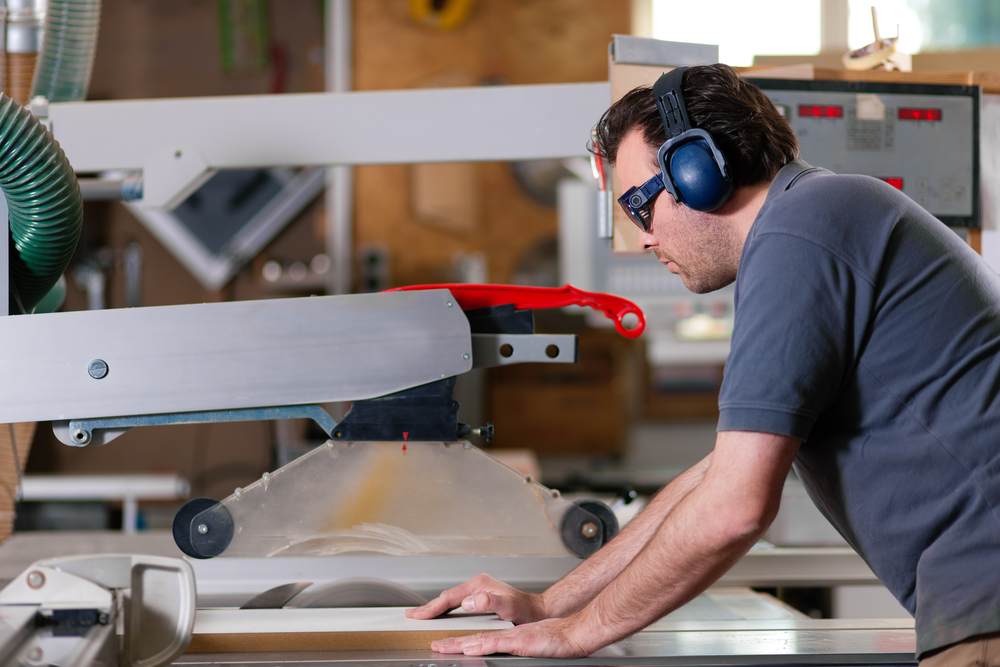
Anyone routinely around noise at 85 dB or higher, hearing protection becomes a necessary requirement. The need for protection is increased in work settings, including plants and construction, or in any location where machinery, equipment, or tools create significant noise.
Even outside of the job, there are instances where hearing protection can be helpful—attending gigs, using leaf blowers, or engaging in recreational shooting sports are all pastimes that can expose you to hazardous noise levels.
Choosing protection based on Noise Reduction Ratings (NRR)
The effectiveness of hearing protection is measured by its Noise Reduction Rating (the NRR). The rating shows the level of sound attenuation, expressed in decibels, that the unit provides. The higher the NRR, the better the protection against sound. To give a concrete example, a 30 dB NRR on earplugs would lower an 85 dB noise down to 55 dB, which is a sound level far below the dangerous limit.
When making your decision, evaluate the particular noise volume you are facing and verify that the protection reduces the sound below the 85 dB threshold.
Comfort is paramount for sustained use of protection
Although the NRR is essential, comfort is just as significant for securing that the protection will be worn consistently over time. An ill-fitting or cumbersome protective gear increases the inclination to remove it, which leaves your ears to harmful noise.
Comfortable hearing protection fosters steady use, lowering the danger of periodic exposure. For instance, if earmuffs are too heavy or cause discomfort, you may find yourself removing them periodically, exposing your ears to hazardous noise levels.
What are the varieties of hearing protection?
There are a few different varieties of hearing protection, and each has its own pros and drawbacks:
- Inserted into the ear canal, Foam Earplugs provide superb noise reduction. They are disposable and light, yet some individuals may find them uncomfortable.
- Being reusable and resting just outside the ear canal, Pre-Molded Earplugs are a more sustainable choice and are also easier to insert and remove than foam earplugs.
- Earmuffs: Earmuffs cover the entire ear and are ideal for environments with fluctuating noise levels, as they’re easy to put on and take off. However, they may feel heavy or warm during extended use.
The best choice of protection is guided by your personal preferences and the specific demands of your environment. By way of illustration, a construction worker might select earmuffs for their simplicity, while someone working in a factory may select earplugs for continuous use.
Committing to consistent hearing protection wear
To ensure maximum efficacy, you must find the hearing protection you will wear consistently. Even a brief time without protection can cause permanent negative effects on your auditory health. For this purpose, finding a solution that optimizes protection, comfort, and convenience is vital.
Ensure your long-term hearing health
Even though noise is a constant part of life, suitable hearing protection allows you to safeguard your hearing without sacrificing the sounds around you.
Reach out to us today to talk about your risk of noise-related hearing loss and how to best safeguard your hearing health.
